
Payment Gateway API Integration: A Complete Guide for Modern Businesses
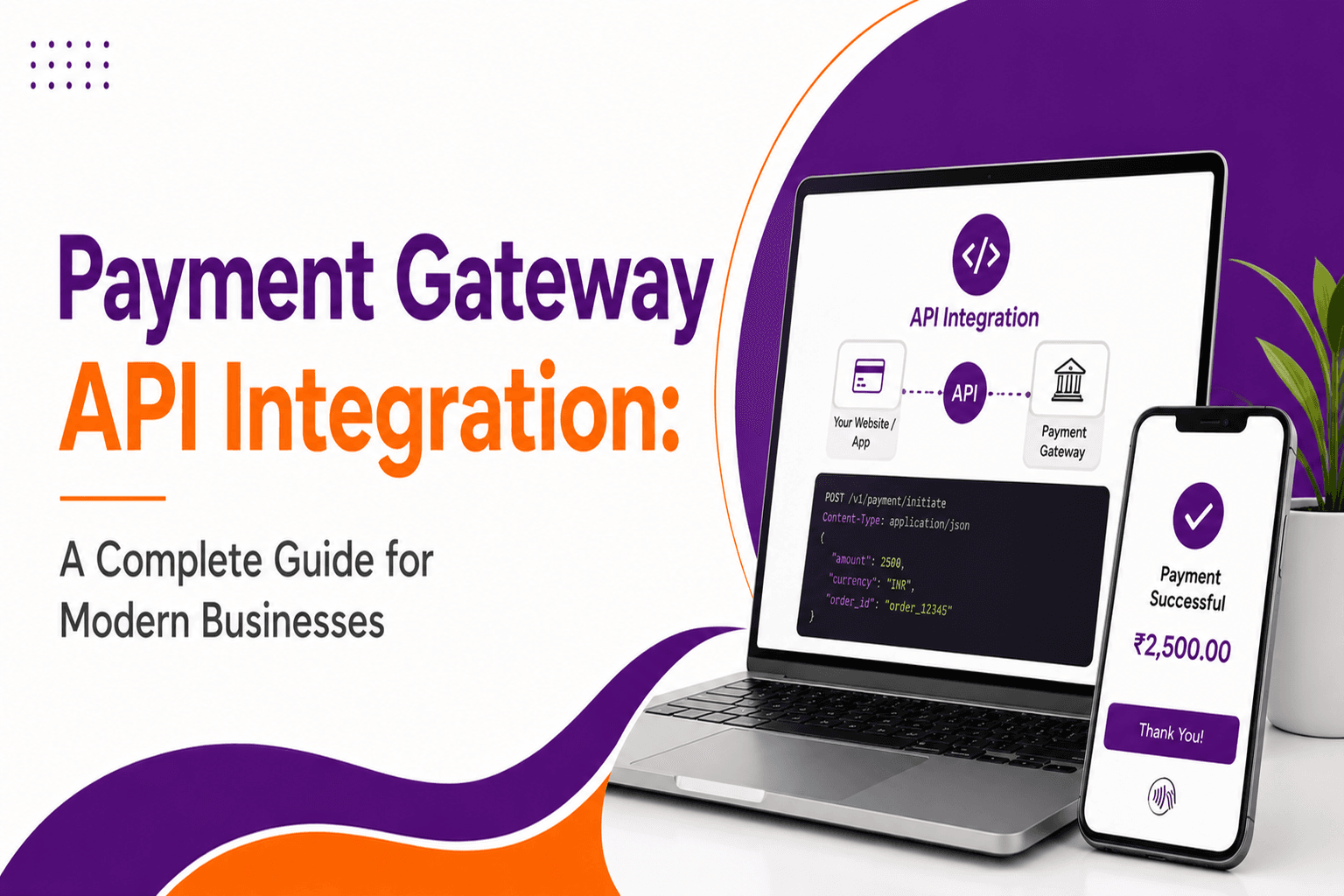
Payment gateway API integration has become a critical requirement for businesses seeking to provide seamless, secure, and scalable payment experiences in today’s digital economy. Whether operating an e-commerce website, mobile application, retail platform, or enterprise commerce ecosystem, organizations increasingly rely on API-driven payment infrastructure to accept and process transactions efficiently.
India’s digital payment landscape continues to expand through UPI Payments, card transactions, digital wallets, and omnichannel commerce. As customer expectations evolve, businesses require payment systems that can support multiple payment methods while maintaining speed, security, and reliability.
A well-executed payment gateway API integration enables organizations to automate payment workflows, improve customer experiences, enhance transaction success rates, and streamline payment operations. Innoviti contributes to India’s growing digital payments ecosystem through scalable payment infrastructure and commerce technology solutions.
Table of Contents
- What Is Payment Gateway API Integration?
- How Payment Gateway API Integration Works
- Why Businesses Need Payment Gateway API Integration
- Key Components of Payment Gateway API Integration
- Benefits of Payment Gateway API Integration
- Payment Gateway API Integration for Different Industries
- Security Considerations in Payment Gateway API Integration
- Common Challenges and Best Practices
- Future Trends in Payment Gateway Technology
- Industry Insights
- Featured Snippet Section
- FAQ Section
- Conclusion
What Is Payment Gateway API Integration?
Payment gateway API integration refers to the process of connecting a business application, website, mobile app, or commerce platform with a payment gateway using application programming interfaces (APIs).
This integration enables businesses to:
- Accept digital payments
- Process transactions securely
- Verify customer payments
- Manage settlements
- Automate payment workflows
A modern payment gateway API integration acts as the bridge between customers, merchants, banks, and payment networks.
Without API integration, businesses would struggle to provide seamless payment experiences across digital channels.
How Payment Gateway API Integration Works
Understanding the workflow behind payment gateway API integration helps businesses appreciate its importance.
Step 1: Customer Initiates Payment
A customer selects a product or service and proceeds to checkout.
Step 2: Payment Request Creation
The business platform sends payment details to the payment gateway through APIs.
Step 3: Authentication and Authorization
The payment gateway communicates with:
- Banks
- Card networks
- UPI systems
- Wallet providers
Step 4: Payment Confirmation
The payment status is returned through the API.
Step 5: Settlement and Reconciliation
Funds are processed and transferred according to settlement schedules.
A successful payment gateway API integration ensures this entire workflow happens within seconds.
Why Businesses Need Payment Gateway API Integration
Modern businesses operate across multiple channels and require efficient payment capabilities.
Growing Digital Commerce
The rise of:
- E-commerce
- Mobile commerce
- Subscription services
- Digital marketplaces
has increased demand for payment gateway API integration.
Customer Expectations
Customers expect:
- Fast payments
- Secure transactions
- Multiple payment methods
- Instant confirmations
Operational Efficiency
Automated APIs reduce manual effort and improve transaction management.
Business Scalability
A strong payment gateway API integration supports future growth without requiring major infrastructure changes.
Key Components of Payment Gateway API Integration
Several components work together to ensure successful integration.
Payment Gateway
The Payment Gateway serves as the transaction processing layer between customers and financial institutions.
Merchant Acquiring Infrastructure
Merchant Acquiring services enable businesses to accept card-based and digital payments.
Payment Processing Engine
The Payment Processing system handles authorization, settlement, and reconciliation.
Security Framework
A secure integration includes:
- Encryption
- Authentication
- Tokenization
- Fraud prevention
Reporting Systems
Businesses gain access to:
- Transaction reports
- Payment analytics
- Settlement data
These elements form the foundation of an effective payment gateway API integration.
Benefits of Payment Gateway API Integration
Organizations gain several advantages from implementing payment gateway API integration.
Faster Payment Acceptance
Customers can complete transactions quickly and efficiently.
Multiple Payment Methods
Support for:
- UPI Payments
- Debit cards
- Credit cards
- Wallets
- Net banking
improves customer convenience.
Better Customer Experience
Smooth payment flows reduce friction and improve conversion rates.
Improved Reporting
Businesses gain real-time visibility into payment activity.
Enhanced Scalability
APIs make it easier to support increasing transaction volumes.
Automation
Businesses can automate:
- Payment confirmations
- Settlement tracking
- Reconciliation processes
Payment Gateway API Integration for Different Industries
Different industries use payment gateway API integration in unique ways.
E-Commerce Businesses
Require:
- Seamless checkout
- Multiple payment methods
- High transaction capacity
Enterprise Retailers
Need:
- Omnichannel commerce support
- Unified payment infrastructure
- Centralized reporting
Subscription Businesses
Require:
- Recurring billing
- Automated payment collection
- Payment reminders
Mobile Applications
Need:
- In-app payment experiences
- Fast transaction processing
- Secure authentication
A flexible payment gateway API integration can support diverse business models.
Security Considerations in Payment Gateway API Integration
Security is a critical aspect of payment gateway API integration.
Data Encryption
Sensitive payment information must be encrypted during transmission.
Tokenization
Tokenization helps protect customer payment data.
Authentication
Secure authentication mechanisms reduce unauthorized access risks.
Fraud Detection
Modern systems use:
- Risk analysis
- AI-driven monitoring
- Transaction validation
Regulatory Compliance
Businesses must comply with industry security standards and regulations.
A secure payment gateway API integration protects both customers and merchants.
Common Challenges and Best Practices
Integration Complexity
Businesses should follow documented API standards and testing procedures.
Payment Failures
Monitoring and fallback mechanisms improve transaction success rates.
Scalability Concerns
Infrastructure should be designed for future growth.
Security Risks
Regular audits and monitoring strengthen security.
Reporting Challenges
Automated analytics improve visibility and operational efficiency.
Following best practices helps maximize the benefits of payment gateway API integration.
Future Trends in Payment Gateway Technology
The future of payment gateway API integration is shaped by emerging technologies.
AI-Powered Payments
Artificial intelligence helps improve:
- Fraud detection
- Payment routing
- Transaction optimization
Embedded Finance
Financial services are becoming integrated into digital experiences.
Real-Time Payments
Customers increasingly expect instant payment processing.
Omnichannel Commerce
Businesses require unified payment experiences across:
- Websites
- Mobile apps
- Physical stores
Future-ready organizations should prioritize scalable and flexible payment architectures.
The Future of Digital Payments in India
India continues to lead global digital payment innovation.
UPI Growth
UPI Payments continue driving massive transaction growth across sectors.
RBI Regulations
The RBI continues strengthening payment security, compliance, and customer protection frameworks.
Embedded Finance
Financial services are increasingly becoming part of commerce ecosystems.
AI-Driven Payments
Artificial intelligence supports:
- Fraud prevention
- Customer insights
- Payment optimization
Merchant Automation
Businesses increasingly automate:
- Reporting
- Reconciliation
- Settlement management
Payment Orchestration
Payment orchestration improves transaction success rates and operational efficiency.
Omnichannel Commerce
Consumers expect seamless payment experiences across every touchpoint.
What Is Payment Gateway API Integration?
Payment gateway API integration is the process of connecting a website, application, or business platform with a payment gateway using APIs. It enables secure payment acceptance, transaction processing, payment verification, and settlement management while providing customers with seamless digital payment experiences.
Conclusion
Payment gateway API integration has become a fundamental component of modern digital commerce. Businesses increasingly rely on API-driven payment infrastructure to deliver secure, scalable, and frictionless payment experiences across websites, applications, marketplaces, and omnichannel retail environments.
By enabling support for UPI Payments, advanced Payment Processing, secure Payment Gateway capabilities, and automated transaction workflows, a well-designed integration can significantly improve operational efficiency and customer satisfaction.
As India’s digital payment ecosystem continues to evolve through innovations in AI, embedded finance, payment orchestration, and regulatory oversight from the RBI, businesses must invest in flexible payment technologies that can adapt to changing customer expectations and market demands.
Innoviti continues to contribute to India’s growing digital commerce ecosystem by supporting businesses with modern payment infrastructure, scalable payment technologies, and future-ready commerce solutions.
FAQ Section
1. What is payment gateway API integration?
Payment gateway API integration is the process of connecting business applications with a payment gateway through APIs to enable secure digital payment processing and transaction management.
2. Why is payment gateway API integration important?
It enables businesses to accept online payments securely, automate payment workflows, improve customer experiences, and support business growth.
3. Which payment methods can be supported through payment gateway API integration?
Most integrations support UPI Payments, credit cards, debit cards, net banking, wallets, and other digital payment methods.
4. Is payment gateway API integration secure?
Yes. Modern integrations use encryption, tokenization, authentication mechanisms, and fraud detection tools to protect transactions and customer data.
5. Can small businesses benefit from payment gateway API integration?
Absolutely. Small businesses can improve payment acceptance, streamline operations, and provide better customer experiences through API-based payment systems.
6. How long does payment gateway API integration take?
The implementation timeline depends on technical requirements, platform complexity, customization needs, and integration scope.