
Payment Reconciliation Software: A Complete Guide for Modern Businesses
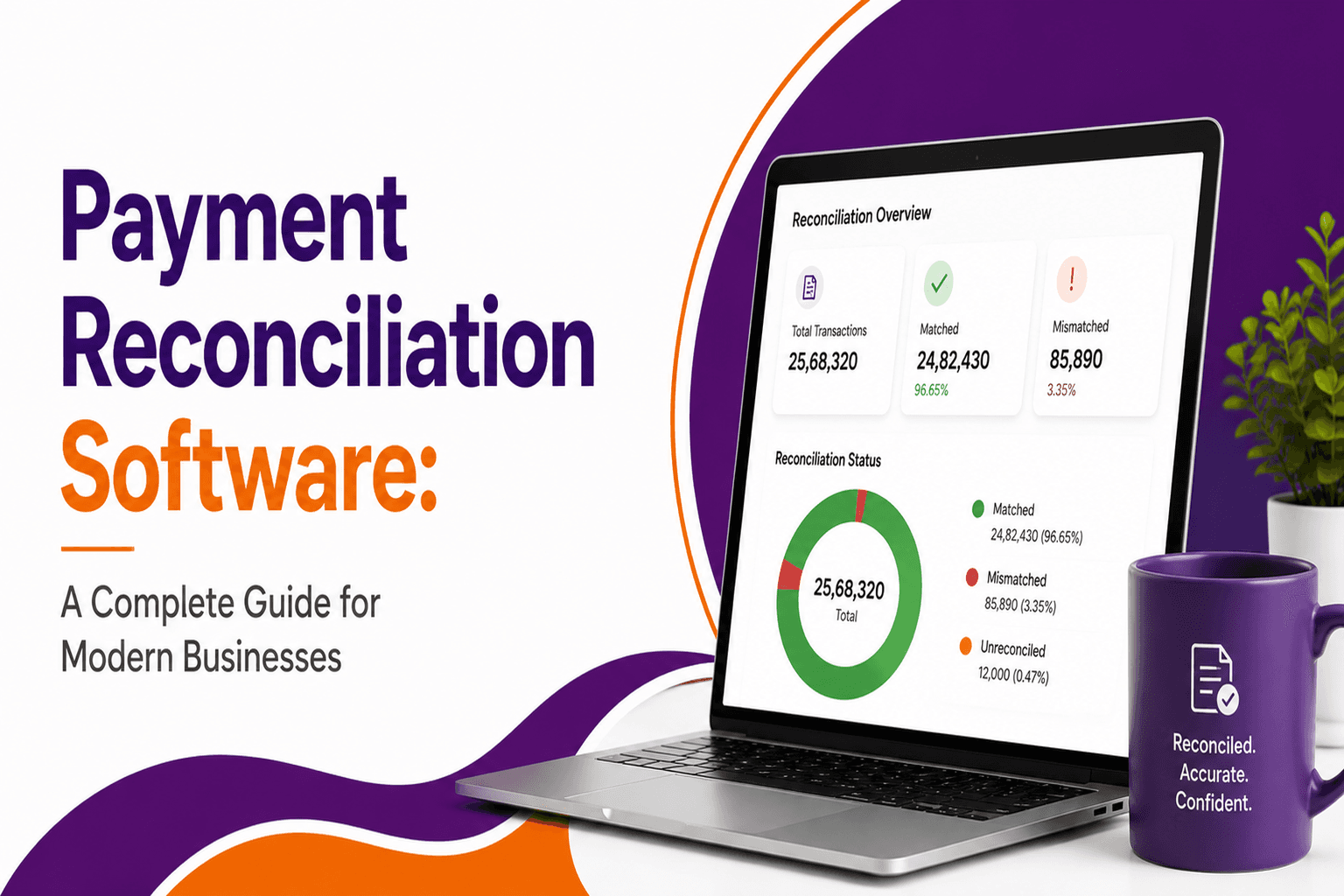
Payment reconciliation software has become an essential tool for businesses managing large volumes of digital transactions across multiple payment channels. As India’s digital economy continues to expand through UPI Payments, card transactions, digital wallets, e-commerce, and omnichannel retail, organizations face increasing challenges in tracking settlements, matching transactions, and ensuring financial accuracy.
Manual reconciliation processes are often time-consuming, error-prone, and difficult to scale. This is where payment reconciliation software plays a critical role. By automating transaction matching, settlement verification, exception management, and reporting, businesses can significantly improve operational efficiency and financial visibility.
From enterprise retailers and retail chains to SMB merchants and e-commerce businesses, payment reconciliation has become a key component of modern financial operations. Innoviti supports digital commerce through payment infrastructure, transaction management, and merchant-focused payment technologies.
Table of Contents
- What Is Payment Reconciliation Software?
- Why Businesses Need Payment Reconciliation Software
- How Payment Reconciliation Software Works
- Key Features of Payment Reconciliation Software
- Benefits of Payment Reconciliation Software
- Industries That Use Payment Reconciliation Software
- Payment Reconciliation Software vs Manual Reconciliation
- Common Challenges and Best Practices
- Future of Payment Reconciliation Automation
- Industry Insights
- Featured Snippet Section
- FAQ Section
- Conclusion
What Is Payment Reconciliation Software?
Payment reconciliation software is a technology solution that automatically matches transactions, settlements, payment records, and financial data across multiple systems to ensure accuracy and consistency.
A modern payment reconciliation software platform helps businesses:
- Match transactions automatically
- Verify settlements
- Identify discrepancies
- Reduce manual effort
- Generate reports
- Improve financial accuracy
The primary purpose of payment reconciliation software is to streamline payment operations and provide real-time visibility into financial transactions.
Why Businesses Need Payment Reconciliation Software
As businesses adopt multiple payment channels, reconciliation becomes increasingly complex.
Growing Transaction Volumes
Businesses today process payments through:
- UPI
- Credit cards
- Debit cards
- Digital wallets
- Online banking
Managing these transactions manually can be challenging.
Settlement Complexity
Different payment methods often have varying settlement timelines.
Financial Accuracy
Businesses must ensure that recorded transactions match actual settlements.
Operational Efficiency
Automation helps reduce administrative workload and processing time.
These factors have increased demand for payment reconciliation software across industries.
How Payment Reconciliation Software Works
Understanding how payment reconciliation software works helps businesses evaluate its value.
Step 1: Data Collection
The software collects transaction data from:
- Payment gateways
- Banks
- ERP systems
- POS systems
Step 2: Transaction Matching
The platform automatically compares transaction records across systems.
Step 3: Settlement Verification
Settlement records are validated against transaction data.
Step 4: Exception Identification
Discrepancies and mismatches are highlighted for review.
Step 5: Reporting
Businesses receive reports and dashboards for operational visibility.
This automated workflow makes payment reconciliation software significantly more efficient than manual reconciliation.
Key Features of Payment Reconciliation Software
Organizations evaluating payment reconciliation software should consider several critical capabilities.
Automated Transaction Matching
Automation reduces manual intervention and improves accuracy.
Multi-Channel Reconciliation
Support for:
- UPI Payments
- Card payments
- Wallets
- Online payments
is essential.
Settlement Tracking
Businesses gain visibility into settlement status and timelines.
Exception Management
The software identifies:
- Missing transactions
- Duplicate entries
- Settlement discrepancies
Analytics and Reporting
Comprehensive reporting supports better decision-making.
A robust payment reconciliation software platform should deliver all these capabilities.
Benefits of Payment Reconciliation Software
There are several advantages associated with implementing payment reconciliation software.
Reduced Manual Effort
Automation minimizes repetitive administrative tasks.
Improved Accuracy
Automated matching reduces human errors.
Faster Reconciliation
Businesses can complete reconciliation processes significantly faster.
Better Financial Visibility
Real-time reporting improves operational oversight.
Enhanced Compliance
Accurate records support audit readiness and regulatory compliance.
These benefits make payment reconciliation software an important investment for growing businesses.
Industries That Use Payment Reconciliation Software
Many industries rely on payment reconciliation software.
Enterprise Retailers
Need centralized visibility across multiple locations and payment channels.
Retail Chains
Require standardized reconciliation processes.
E-Commerce Businesses
Handle large transaction volumes and multiple payment methods.
Healthcare Organizations
Need accurate payment tracking and financial reporting.
Hospitality Businesses
Manage diverse payment streams and settlement workflows.
The flexibility of payment reconciliation software makes it valuable across multiple sectors.
Payment Reconciliation Software vs Manual Reconciliation
| Feature | Payment Reconciliation Software | Manual Reconciliation |
| Speed | High | Low |
| Accuracy | High | Variable |
| Scalability | Excellent | Limited |
| Reporting | Automated | Manual |
| Error Detection | Advanced | Basic |
| Operational Efficiency | High | Moderate |
For organizations managing large transaction volumes, payment reconciliation software offers significant advantages.
Common Challenges and Best Practices
Multiple Payment Channels
Businesses often struggle to reconcile transactions across different payment systems.
Best Practice: Use centralized reconciliation platforms.
Settlement Delays
Different providers may have different settlement cycles.
Best Practice: Implement automated settlement tracking.
Data Inconsistencies
Manual processes can introduce errors.
Best Practice: Use automated transaction matching.
Limited Visibility
Disconnected systems reduce operational transparency.
Best Practice: Use unified reporting dashboards.
These strategies help maximize the effectiveness of payment reconciliation software.
Future of Payment Reconciliation Automation
The future of payment reconciliation software will be shaped by technological innovation.
AI-Powered Reconciliation
Artificial intelligence can improve:
- Transaction matching
- Error detection
- Exception management
Real-Time Reconciliation
Businesses increasingly demand instant visibility into transactions and settlements.
Embedded Finance
Financial workflows are becoming integrated into broader business platforms.
Omnichannel Commerce
Growing transaction complexity increases the need for automated reconciliation solutions.
Organizations investing in modern payment reconciliation software will be better positioned for future growth.
The Future of Digital Payments in India
India continues to experience rapid growth in digital commerce and financial technology.
UPI Growth
UPI Payments continue driving record transaction volumes.
RBI Regulations
The RBI continues strengthening payment security and financial system resilience.
Embedded Finance
Financial services are becoming increasingly integrated into commerce ecosystems.
AI-Driven Payments
Artificial intelligence enhances:
- Fraud detection
- Transaction monitoring
- Financial operations
Merchant Automation
Businesses increasingly automate:
- Reconciliation
- Reporting
- Settlement tracking
Payment Orchestration
Payment orchestration improves transaction routing and operational efficiency.
Omnichannel Commerce
Consumers expect seamless experiences across digital and physical channels.
What Is Payment Reconciliation Software?
Payment reconciliation software is a technology platform that automatically matches transaction records, payment settlements, and financial data across multiple systems to ensure accuracy, identify discrepancies, automate reporting, and improve operational efficiency. It helps businesses streamline financial operations while reducing manual effort and reconciliation errors.
Conclusion
Payment reconciliation software has become a critical component of modern financial operations. As businesses process increasing volumes of digital transactions across multiple channels, manual reconciliation methods are no longer sufficient to support operational efficiency and financial accuracy.
By automating transaction matching, settlement verification, reporting, and exception management, payment reconciliation software helps organizations reduce errors, improve visibility, and streamline payment operations. The benefits extend across enterprise retailers, e-commerce businesses, retail chains, and SMB merchants.
As India’s digital payments ecosystem continues evolving through innovations in UPI Payments, AI-driven automation, embedded finance, and regulatory oversight from the RBI, businesses will increasingly rely on intelligent reconciliation solutions to manage complexity and support growth.
Innoviti continues contributing to India’s digital commerce ecosystem through scalable payment infrastructure, merchant-focused payment technologies, and modern transaction management solutions designed for future-ready businesses.
FAQ Section
1. What is payment reconciliation software?
Payment reconciliation software is a solution that automates the process of matching transactions, settlements, and payment records across financial systems to ensure accuracy.
2. Why do businesses need payment reconciliation software?
Businesses use it to reduce manual effort, improve financial accuracy, automate settlement verification, and gain real-time visibility into payment operations.
3. How does payment reconciliation software work?
The software collects payment data from multiple sources, automatically matches records, identifies discrepancies, and generates reports for financial teams.
4. Which industries benefit from payment reconciliation software?
Retail, e-commerce, healthcare, hospitality, financial services, and enterprise organizations commonly use reconciliation automation solutions.
5. Can payment reconciliation software support UPI payments?
Yes. Modern platforms support UPI Payments, card payments, wallets, net banking transactions, and other digital payment channels.
6. What features should businesses look for in payment reconciliation software?
Organizations should prioritize automated matching, settlement tracking, exception management, reporting, scalability, and multi-channel payment support.