
POS Business in India: A Complete Guide for Retailers and Merchants
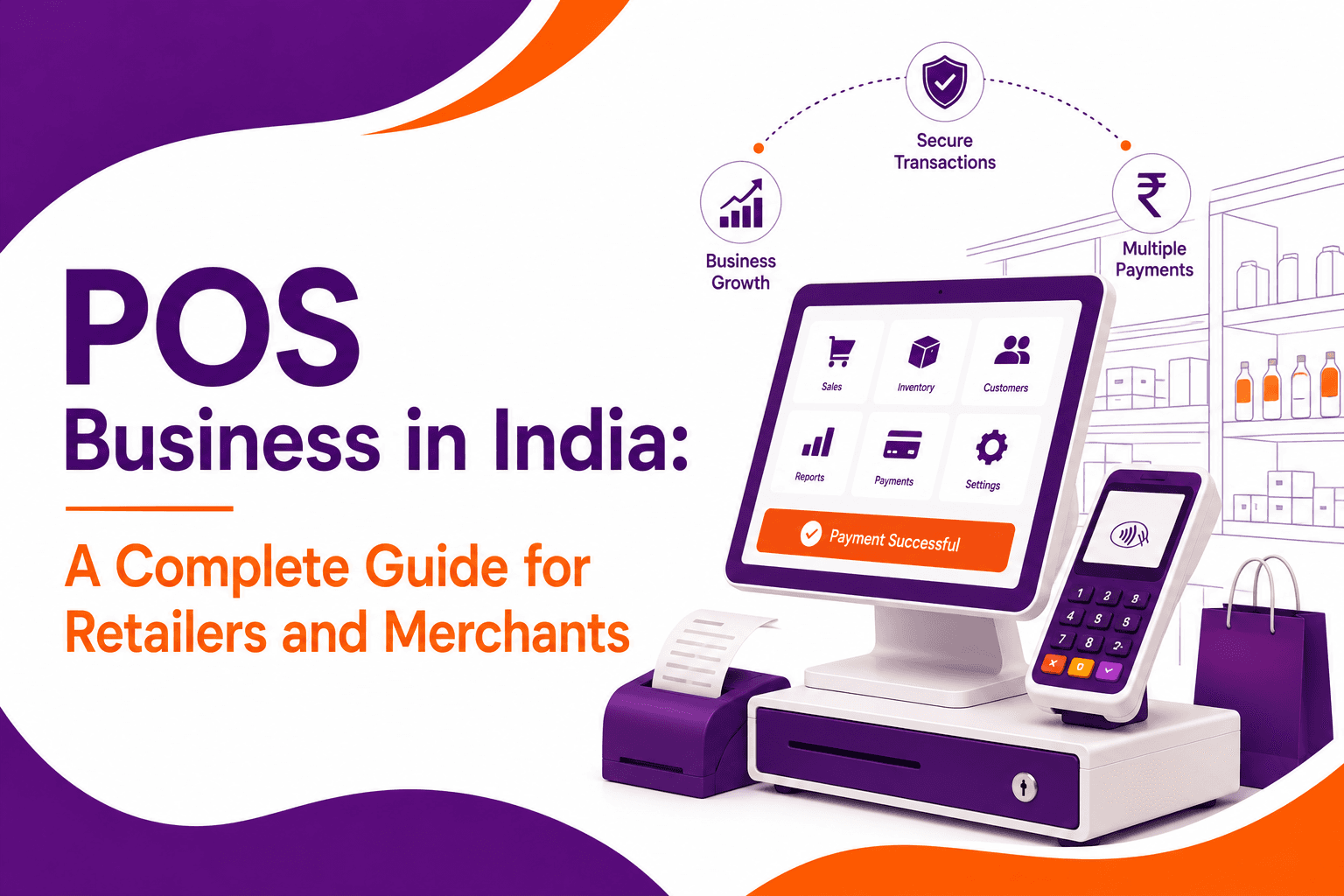
The growth of digital payments has significantly transformed the POS business landscape in India. Today, businesses across retail, hospitality, and service industries rely on point-of-sale (POS) systems to process transactions quickly and securely.
A modern POS system does more than simply accept card payments. It helps businesses manage sales, track inventory, process digital payments, and improve customer experiences. With increasing adoption of UPI, cards, and digital wallets, POS technology has become essential for merchants operating in today’s digital economy.
For retailers, enterprise merchants, and SMB businesses, investing in the right POS infrastructure can streamline payment processing and improve operational efficiency.
Companies like Innoviti are helping businesses modernize their payment infrastructure through advanced fintech-driven POS payment platforms.
Table of Contents
- What is a POS Business
- Why a POS Business Matters for Modern Businesses
- Key Features of POS Systems for Businesses
- Benefits of POS Business for Merchants
- How POS Business Works
- Real Business Use Cases of POS Systems
- Challenges Businesses Face Without POS Systems
- How Innoviti Helps Businesses with POS Payment Solutions
- The Future of Digital Payments in India
- Featured Snippet: POS Business Explained
- FAQs About POS Business
- Conclusion
What is a POS Business
A POS business refers to a business model that provides point-of-sale (POS) technology and payment solutions that allow merchants to process transactions electronically.
A POS system typically includes:
- POS terminal or machine
- payment processing software
- connectivity to banks and payment networks
- transaction reporting tools
These systems enable businesses to accept payments through cards, UPI, and digital wallets while recording sales transactions.
For retailers and merchants, POS systems act as the central hub for managing both payments and business operations.
Businesses exploring POS technology can learn more from POS system full form and how it works.
Why a POS Business Matters for Modern Businesses
The rise of digital commerce has made the POS business an essential component of modern retail infrastructure.
Today’s customers expect seamless payment experiences whether they shop in-store or online.
Increasing Digital Payment Adoption
With the rapid growth of UPI and card payments, businesses must adopt modern POS systems to handle multiple payment types.
Faster Checkout Experience
POS machines help merchants process transactions quickly, reducing queues and improving customer satisfaction.
Integrated Payment Infrastructure
Businesses can manage multiple payment channels using unified POS platforms that support digital payment ecosystems.
Modern POS platforms also integrate with merchant payment platform solutions to streamline payment processing.
Key Features of POS Systems for Businesses
A successful POS business relies on advanced technology designed to simplify payment processing and transaction management.
Multi-Payment Acceptance
POS systems allow merchants to accept:
- debit cards
- credit cards
- UPI payments
- mobile wallets
Real-Time Transaction Tracking
Businesses can monitor transaction activity through digital dashboards.
Inventory and Sales Management
POS systems help retailers track inventory levels and manage product sales efficiently.
Secure Payment Processing
Security protocols such as encryption and tokenization protect sensitive payment information.
Businesses should also understand payment fraud risks and prevention to safeguard digital transactions.
Benefits of POS Business for Merchants
Adopting a POS business model provides numerous advantages for merchants and retailers.
Faster Payment Processing
POS systems enable quick and seamless payment transactions.
Improved Customer Experience
Customers can choose their preferred payment method, improving convenience.
Better Business Insights
POS software generates reports that help businesses analyze sales trends.
Enhanced Payment Reliability
POS technology improves transaction success rates and reduces payment failures. Businesses can learn more from transaction success rate insights.
How POS Business Works
Understanding how a POS business works helps merchants select the right payment infrastructure.
Step 1 — Customer Initiates Payment
A customer presents their card or selects a digital payment method.
Step 2 — POS Terminal Reads Payment Details
The POS machine captures payment data securely.
Step 3 — Payment Network Authorization
The transaction request is sent to the bank for approval.
Step 4 — Transaction Confirmation
Once approved, the POS terminal confirms the transaction and completes the payment.
Step 5 — Settlement
Funds are transferred to the merchant’s bank account through the payment processor.
Many POS systems today are integrated with digital tools that enable multiple payment options for online transactions.
Real Business Use Cases of POS Systems
The POS business ecosystem supports businesses across various industries.
Retail Chains
Retail stores rely on POS systems to manage high transaction volumes and customer payments efficiently.
Enterprise Merchants
Large enterprises use advanced POS infrastructure to manage transactions across multiple locations.
SMB Businesses
Small businesses benefit from simplified payment acceptance and transaction tracking.
Mobile Dealers
Mobile dealers often use POS systems to offer EMI-based card payments. Businesses interested in this model can learn more about how no-cost EMI works.
Challenges Businesses Face Without POS Systems
Businesses that do not adopt modern POS infrastructure often face several challenges.
Limited Payment Options
Without POS systems, merchants may only accept cash payments.
Manual Transaction Management
Manual processes increase operational inefficiencies.
Higher Risk of Errors
Manual billing and transaction tracking can lead to financial discrepancies.
Poor Customer Experience
Customers expect convenient digital payment options when shopping.
Businesses transitioning to digital payments can explore cashless payment solutions for merchants.
How Innoviti Helps Businesses with POS Payment Solutions
Innoviti provides advanced fintech infrastructure that enables businesses to operate a successful POS business.
Innoviti’s payment ecosystem includes advanced POS payment solutions that allow merchants to accept multiple payment types through secure and reliable payment terminals.
Key advantages include:
Unified Payment Platform
Innoviti solutions allow businesses to manage both online and in-store payments through integrated platforms.
Secure Digital Payment Infrastructure
Innoviti implements strong security frameworks to ensure safe transaction processing.
Merchant-Focused Technology
Innoviti’s fintech solutions are designed specifically for retailers, enterprise merchants, and SMB businesses.
Innoviti has also received authorization from the Reserve Bank of India to operate as a payment aggregator. Businesses can read more in the RBI authorization announcement.
The Future of Digital Payments in India
The POS business ecosystem continues to evolve alongside advancements in digital payment technology.
UPI Integration
POS systems now support UPI payments alongside traditional card transactions.
AI-Powered Payment Systems
Artificial intelligence is being integrated into payment infrastructure to improve fraud detection and transaction routing.
Omnichannel Payment Experiences
Businesses increasingly require payment systems that work seamlessly across physical stores and digital platforms.
Innoviti continues to innovate within this ecosystem by building advanced payment infrastructure that enables businesses to manage payments more efficiently.
Featured Snippet Section
A POS business refers to a business that provides point-of-sale systems and payment infrastructure that allow merchants to process transactions using digital payment methods such as cards, UPI, and mobile wallets.
Key elements of a POS business include:
- POS machines for payment processing
- digital payment infrastructure
- transaction management systems
- secure payment authorization
- merchant settlement systems
FAQ Section
What is a POS business?
A POS business provides point-of-sale systems and payment technology that enable merchants to accept digital payments. These systems process transactions through payment networks and banks.
How does a POS system work?
A POS system captures payment information from cards or digital payment methods and sends it to the bank for authorization. Once approved, the transaction is completed and recorded.
Why do businesses need POS systems?
POS systems help businesses process payments quickly, track sales, and manage transactions efficiently. They also allow merchants to accept multiple digital payment methods.
What types of payments can POS machines accept?
Modern POS machines support credit cards, debit cards, UPI payments, and mobile wallets. This flexibility improves customer convenience and transaction success rates.
Are POS systems secure?
Yes, POS systems use encryption and tokenization technologies to protect payment data. These security protocols ensure safe and reliable transactions.
How does Innoviti support POS businesses?
Innoviti provides advanced POS payment technology that helps businesses accept digital payments efficiently. Its solutions enable merchants to manage both online and in-store transactions through integrated fintech infrastructure.
Conclusion
The POS business has become a critical component of modern retail and digital commerce in India. As customers increasingly prefer digital payment methods such as cards, UPI, and mobile wallets, businesses must adopt reliable POS infrastructure to stay competitive.
POS systems not only simplify payment acceptance but also provide valuable insights into business performance, customer behavior, and transaction trends. For retailers, enterprise merchants, and SMB businesses, investing in advanced POS technology can improve operational efficiency and enhance customer experiences.
With its innovative fintech solutions and merchant-focused payment infrastructure, Innoviti plays a key role in enabling businesses to adopt scalable, secure, and future-ready POS payment systems in India’s rapidly evolving digital economy.