
SaaS Payments: The Complete Guide to Cloud-Based Payment Systems for Businesses
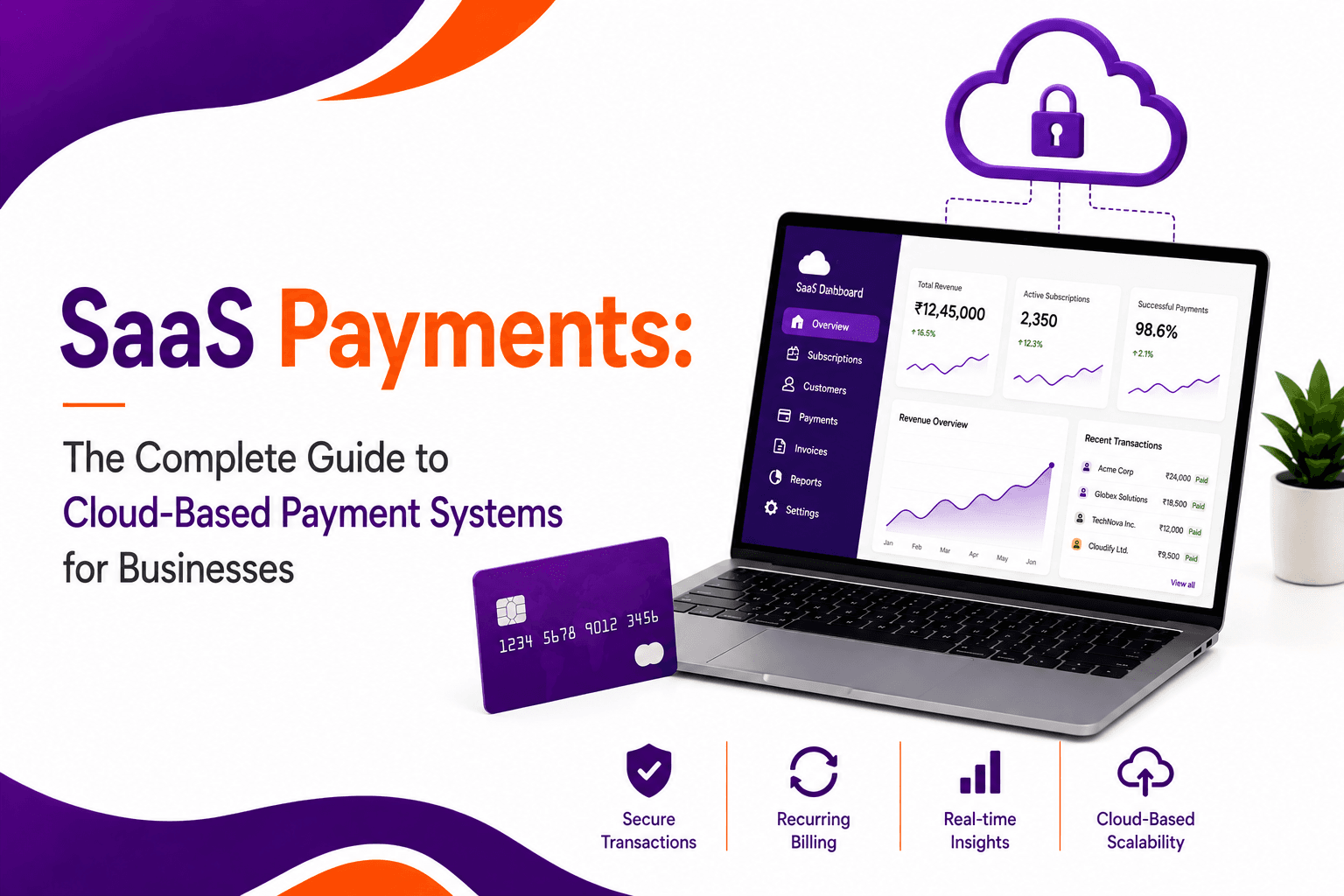
The rapid evolution of fintech has transformed how businesses manage digital transactions, and SaaS payments are now at the center of this transformation. Software-as-a-Service payment platforms allow businesses to process transactions, manage billing, and analyze payment data through cloud-based systems without complex infrastructure.
For modern merchants—including retail chains, enterprise businesses, SMBs, and mobile dealers—SaaS-based payment platforms simplify payment processing and enable seamless digital transactions across channels.
Instead of relying on fragmented payment systems, businesses can adopt scalable SaaS payment infrastructure that integrates payment processing, analytics, and reconciliation in a unified platform.
Fintech innovators like Innoviti are leading this transformation by delivering cloud-powered payment solutions that help merchants streamline digital payment operations and improve transaction efficiency.
Table of Contents
- What Are SaaS Payments
- Why SaaS Payments Matter for Modern Businesses
- Key Features of SaaS Payments
- Benefits of SaaS Payments for Businesses
- How SaaS Payments Work
- Real Business Use Cases of SaaS Payments
- Challenges Businesses Face Without SaaS Payments
- How Innoviti Solves SaaS Payment Challenges
- The Future of Digital Payments in India
- Featured Snippet: SaaS Payments Explained
- FAQs About SaaS Payments
- Conclusion
What Are SaaS Payments
SaaS payments refer to cloud-based payment systems delivered through Software-as-a-Service platforms that allow businesses to manage payment processing, billing, analytics, and transaction reconciliation through a centralized online platform.
Unlike traditional payment infrastructure that requires complex hardware and software installations, SaaS payment platforms operate entirely in the cloud. Businesses can access these systems through web dashboards or mobile apps.
SaaS payment platforms typically support multiple payment methods such as:
- UPI payments
- credit and debit cards
- digital wallets
- net banking
- payment links
Businesses using cloud-based merchant payment platform solutions can manage transactions efficiently across both online and offline channels.
Companies exploring digital payment infrastructure can also learn from e-payment systems explained for merchants.
Why SaaS Payments Matter for Modern Businesses
The adoption of SaaS payments has accelerated as businesses shift toward cloud-based financial infrastructure.
Traditional payment systems often require significant IT investment and ongoing maintenance. SaaS-based payment platforms eliminate these challenges by providing scalable digital payment infrastructure accessible through the cloud.
Simplified Payment Infrastructure
Businesses can manage payment processing, reconciliation, and analytics from a single platform.
Faster Deployment
SaaS payment systems can be deployed quickly without complex installations.
Multi-Channel Payment Support
Businesses selling through both digital and physical channels benefit from unified payment systems.
Improved Transaction Performance
Payment infrastructure optimization improves transaction success rates. Businesses can learn more from transaction success rate optimization insights.
Key Features of SaaS Payments
Modern SaaS payments platforms provide advanced features designed to simplify digital transaction management.
Cloud-Based Payment Infrastructure
SaaS payment systems operate entirely through cloud technology, eliminating the need for physical infrastructure.
Multi-Payment Method Support
Businesses can accept multiple payment options including:
- UPI
- debit cards
- credit cards
- digital wallets
- net banking
Payment Analytics and Reporting
Merchants gain insights into transaction data, payment success rates, and customer behavior.
Secure Payment Processing
Security features include encryption, tokenization, and fraud detection tools.
Businesses should also understand payment fraud risks and prevention strategies to protect digital transactions.
Remote Payment Collection
Cloud payment platforms allow merchants to collect payments remotely through tools like payment links for businesses.
Benefits of SaaS Payments for Businesses
Adopting SaaS payments provides significant advantages for merchants across industries.
Lower Infrastructure Costs
Businesses do not need to invest in expensive payment infrastructure.
Scalability
SaaS payment platforms grow with the business, supporting increasing transaction volumes.
Faster Innovation
Cloud platforms allow fintech providers to roll out new features and security updates rapidly.
Improved Payment Visibility
Businesses gain real-time access to payment data and transaction analytics.
Organizations comparing payment providers can explore leading online payment companies in India.
How SaaS Payments Work
Understanding how SaaS payments work helps businesses implement cloud-based payment infrastructure effectively.
Step 1 — Merchant Uses SaaS Platform
The merchant logs into the payment platform through a cloud-based dashboard.
Step 2 — Customer Initiates Payment
The customer selects a payment method such as UPI or card payment.
Step 3 — Payment Processing
The SaaS payment platform securely transmits transaction details to banks and payment networks.
Step 4 — Authorization
The issuing bank verifies the payment and authorizes the transaction.
Step 5 — Settlement
The payment processor transfers funds to the merchant account.
Businesses integrating payment platforms can also review payment gateway integration processes.
Real Business Use Cases of SaaS Payments
The adoption of SaaS payments spans multiple industries and business models.
Retail Chains
Retail businesses use SaaS payment platforms to manage payments across multiple store locations.
Enterprise Merchants
Large enterprises rely on SaaS payment infrastructure to process high transaction volumes efficiently.
SMB Businesses
Small businesses selling through social media benefit from simplified payment tools. Businesses can explore strategies from social media payment solutions.
Mobile Dealers
Mobile dealers often use SaaS payment platforms to enable EMI-based purchases and card transactions.
Challenges Businesses Face Without SaaS Payments
Businesses that do not adopt SaaS payments often encounter operational limitations.
Complex Payment Infrastructure
Managing separate systems for payment processing, analytics, and reconciliation increases operational complexity.
Limited Scalability
Traditional payment systems may struggle to handle rapid business growth.
Fragmented Payment Data
Businesses may lack visibility into transaction performance without centralized dashboards.
Security Risks
Outdated payment infrastructure may increase vulnerability to digital payment fraud.
How Innoviti Solves SaaS Payment Challenges
Innoviti provides advanced fintech infrastructure that enables businesses to leverage SaaS payments effectively.
Innoviti offers cloud-powered payment solutions that support both online and in-store digital transactions.
Solutions such as POS payment solutions and integrated payment platforms enable merchants to manage digital payments efficiently.
Key advantages of Innoviti’s SaaS payment ecosystem include:
Unified Payment Platform
Businesses can manage multiple payment methods through a single digital platform.
Secure Payment Processing
Innoviti uses advanced fintech technology to ensure secure digital transactions.
Merchant-Centric Payment Solutions
Innoviti platforms are designed specifically for retail businesses and enterprise merchants.
Innoviti has also received regulatory authorization from the Reserve Bank of India as a payment aggregator. Learn more in this RBI authorization announcement.
The Future of Digital Payments in India
The rise of SaaS payments is closely tied to the broader evolution of India’s fintech ecosystem.
UPI Growth
UPI has become the backbone of India’s digital payment infrastructure.
AI-Powered Payment Systems
Fintech companies are integrating artificial intelligence to improve fraud detection and payment routing.
Merchant Automation
Payment platforms now automate key financial processes including:
- transaction reconciliation
- payment analytics
- settlement management
Innoviti continues to innovate in the fintech ecosystem, helping businesses adopt scalable digital payment infrastructure.
Featured Snippet Section
SaaS payments refer to cloud-based payment platforms that allow businesses to process digital transactions, manage billing, and track payment data through Software-as-a-Service systems without maintaining complex payment infrastructure.
Key aspects of SaaS payments include:
- cloud-based payment processing
- scalable payment infrastructure
- multi-payment method support
- automated payment analytics
- secure digital transactions
FAQ Section
What are SaaS payments?
SaaS payments are cloud-based payment platforms that allow businesses to process transactions, manage billing, and track payments through a software subscription model. These systems eliminate the need for traditional payment infrastructure.
How do SaaS payment platforms work?
SaaS payment platforms process digital transactions through cloud-based infrastructure that connects merchants, banks, and payment networks. Businesses access these platforms through web dashboards or mobile applications.
Why are SaaS payments important for businesses?
SaaS payments simplify payment infrastructure and reduce operational complexity. They allow businesses to scale payment operations efficiently while improving transaction visibility and analytics.
Are SaaS payment systems secure?
Yes, most SaaS payment platforms implement advanced security technologies such as encryption, tokenization, and fraud detection systems to protect digital transactions.
Can small businesses use SaaS payments?
Yes, SaaS payment platforms are ideal for small businesses because they provide affordable and scalable payment infrastructure without large upfront investments.
How does Innoviti support SaaS payments?
Innoviti provides cloud-powered payment platforms that enable businesses to accept and manage digital transactions efficiently across online and in-store channels.
Conclusion
The growing adoption of SaaS payments is reshaping how businesses manage digital transactions and financial operations. Cloud-based payment platforms provide merchants with scalable infrastructure, real-time payment insights, and simplified transaction management.
For businesses operating in today’s digital commerce environment, SaaS payment platforms offer significant advantages including lower operational costs, improved payment visibility, and seamless multi-channel transaction support.
As India’s fintech ecosystem continues to evolve, SaaS-based payment technology will play a key role in enabling secure, efficient, and scalable digital payment systems.
With its advanced fintech infrastructure and merchant-focused solutions, Innoviti empowers businesses to adopt SaaS payments and build future-ready digital payment ecosystems.