
Tap to Pay Android: The Future of Contactless Payment Acceptance
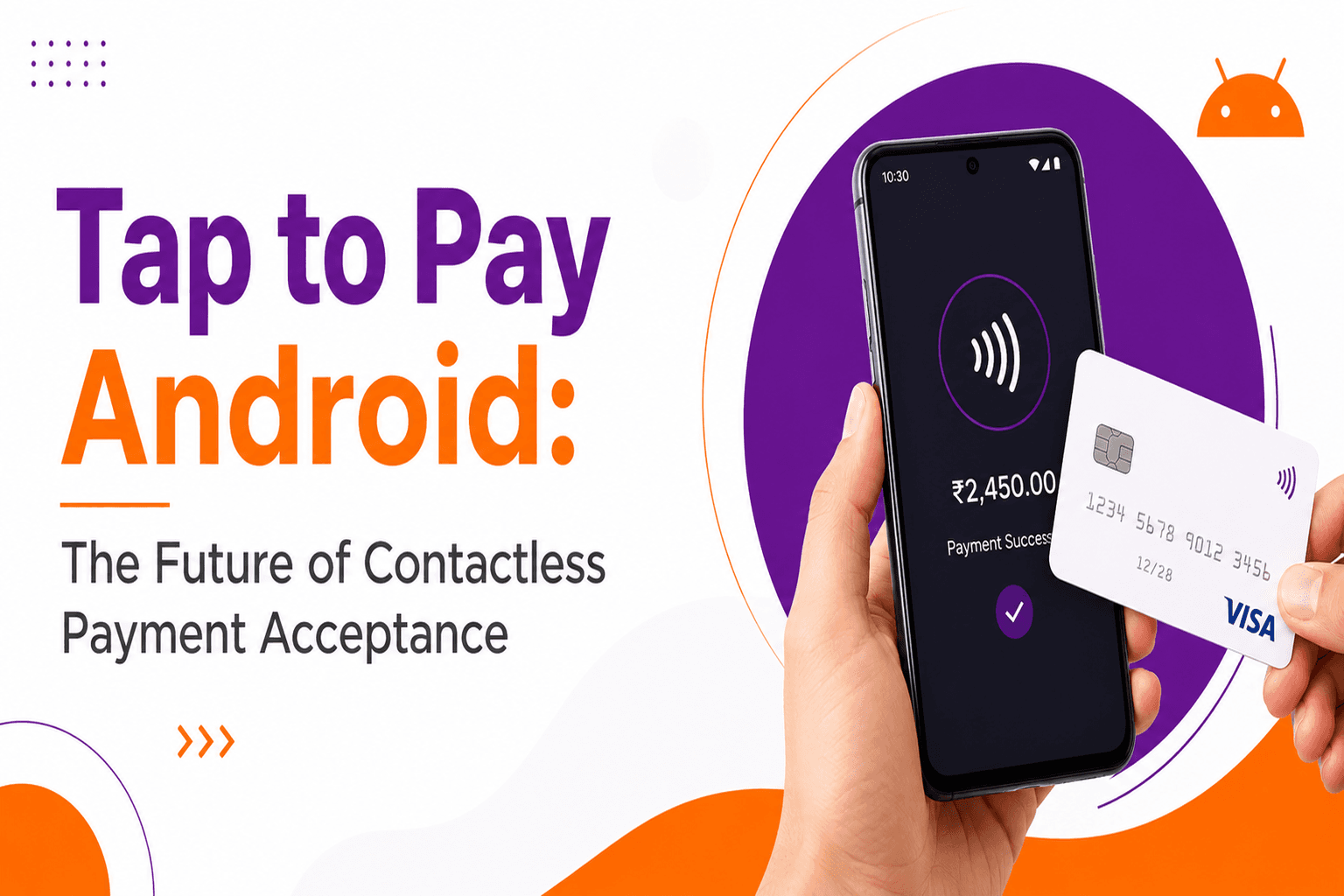
Tap to pay Android technology is transforming how businesses accept digital payments by turning Android smartphones and devices into secure payment acceptance terminals. As India’s digital payments ecosystem continues to expand through UPI Payments, contactless cards, and mobile commerce, merchants are increasingly looking for flexible and cost-effective ways to accept customer payments.
Traditional payment acceptance often requires dedicated hardware, installation processes, and operational management. However, tap to pay Android solutions allow businesses to accept contactless payments directly on compatible Android devices using Near Field Communication (NFC) technology.
From enterprise retailers and retail chains to SMB merchants and mobile businesses, this innovation is helping simplify payment acceptance while improving customer convenience. Innoviti supports the evolution of digital commerce through modern payment infrastructure and merchant-focused payment technologies.
Table of Contents
- What Is Tap to Pay Android?
- How Tap to Pay Android Works
- Why Businesses Are Adopting Tap to Pay Android
- Benefits of Tap to Pay Android for Merchants
- Industries Using Tap to Pay Android
- Tap to Pay Android vs Traditional POS Systems
- Security Features of Tap to Pay Android
- Challenges and Best Practices
- Future of Tap to Pay Android Technology
- Industry Insights
- Featured Snippet Section
- FAQ Section
- Conclusion
What Is Tap to Pay Android?
Tap to pay Android is a contactless payment technology that enables merchants to accept payments directly on NFC-enabled Android devices without requiring traditional card terminals.
Using tap to pay Android, businesses can accept:
- Contactless debit cards
- Contactless credit cards
- NFC-enabled payment devices
- Mobile wallet payments
The technology transforms Android smartphones or tablets into payment acceptance devices through specialized software.
As digital commerce continues evolving, tap to pay Android is becoming an increasingly important component of modern payment infrastructure.
How Tap to Pay Android Works
Understanding how tap to pay Android functions helps merchants evaluate its business value.
Step 1: Merchant Uses Compatible Android Device
The business uses an NFC-enabled Android smartphone or tablet.
Step 2: Payment Application Activation
A certified payment application enables payment acceptance functionality.
Step 3: Customer Taps Payment Instrument
Customers tap:
- Contactless cards
- Smartphones
- Wearables
on the Android device.
Step 4: Payment Processing
The transaction is securely routed through the payment ecosystem.
Step 5: Transaction Confirmation
Payment authorization and confirmation occur in real time.
This simple process is one reason why tap to pay Android is gaining popularity across industries.
Why Businesses Are Adopting Tap to Pay Android
Several factors are driving adoption of tap to pay Android.
Reduced Hardware Dependency
Businesses can use existing Android devices instead of dedicated payment terminals.
Faster Deployment
New payment acceptance capabilities can be implemented quickly.
Improved Mobility
Employees can accept payments anywhere within the business environment.
Enhanced Customer Convenience
Customers benefit from quick and seamless payment experiences.
Digital Transformation
Merchants can modernize payment operations without significant infrastructure investments.
These advantages have accelerated adoption of tap to pay Android solutions.
Benefits of Tap to Pay Android for Merchants
Lower Operational Complexity
Fewer hardware devices simplify operations.
Improved Payment Acceptance Flexibility
Businesses can accept payments from multiple locations.
Faster Customer Checkout
Contactless transactions reduce payment processing time.
Enhanced Mobility
Employees can complete transactions throughout the store.
Better Scalability
Additional payment acceptance points can be added quickly.
The operational benefits of tap to pay Android make it attractive for businesses of all sizes.
Industries Using Tap to Pay Android
Several industries are successfully implementing tap to pay Android.
Retail Stores
Retailers use mobile payment acceptance to improve customer experiences.
Restaurants
Staff can accept payments directly at tables.
Delivery Services
Drivers can accept payments at customer locations.
Healthcare
Mobile payment acceptance improves operational efficiency.
Events and Pop-Up Stores
Temporary locations benefit from flexible payment infrastructure.
The versatility of tap to pay Android supports a wide range of business environments.
Tap to Pay Android vs Traditional POS Systems
| Feature | Tap to Pay Android | Traditional POS Systems |
| Hardware Requirements | Minimal | Dedicated Devices |
| Mobility | High | Moderate |
| Deployment Speed | Fast | Moderate |
| Scalability | Excellent | Moderate |
| Contactless Payments | Supported | Supported |
| Operational Flexibility | High | Moderate |
While traditional POS Systems remain important, tap to pay Android offers significant flexibility advantages.
Security Features of Tap to Pay Android
Security remains a critical consideration for businesses adopting tap to pay Android.
Encrypted Transactions
Payment data is encrypted during transmission.
Secure Payment Processing
Transactions follow industry security standards.
Tokenization
Sensitive card information is protected using tokenization technologies.
Authentication Controls
Access controls help secure merchant devices.
Regulatory Compliance
Solutions are designed to meet payment industry requirements.
These security capabilities help ensure a safe and reliable tap to pay Android transactions.
Challenges and Best Practices
Device Compatibility
Not all Android devices support NFC-based payment acceptance.
Best Practice: Verify device compatibility before deployment.
Employee Training
Staff may require training on new payment workflows.
Best Practice: Provide structured onboarding programs.
Network Reliability
Payment acceptance depends on stable connectivity.
Best Practice: Ensure reliable internet access.
Customer Awareness
Some customers may be unfamiliar with the technology.
Best Practice: Clearly communicate available payment options.
These practices improve the effectiveness of tap to pay Android implementations.
Future of Tap to Pay Android Technology
The future of tap to pay Android is closely connected to broader digital payment innovation.
Increased Contactless Adoption
Consumers continue embracing contactless payment methods.
AI-Driven Commerce
Artificial intelligence is improving payment experiences and operational efficiency.
Omnichannel Commerce
Businesses increasingly require unified payment experiences across channels.
Embedded Finance
Financial services are becoming integrated into commerce ecosystems.
Mobile-First Operations
Businesses are prioritizing mobile technologies across operational workflows.
These trends position tap to pay Android as a key component of future payment infrastructure.
The Future of Digital Payments in India
India continues leading global digital payment innovation.
UPI Growth
UPI Payments continue driving unprecedented transaction growth across sectors.
RBI Regulations
The RBI continues strengthening payment security, compliance, and consumer protection frameworks.
Embedded Finance
Financial services are increasingly embedded into digital commerce experiences.
AI-Driven Payments
Artificial intelligence enhances:
- Fraud detection
- Payment optimization
- Customer experiences
Merchant Automation
Businesses are automating:
- Reporting
- Reconciliation
- Payment operations
Payment Orchestration
Payment orchestration improves transaction routing and success rates.
Omnichannel Commerce
Consumers increasingly expect seamless payment experiences across digital and physical channels.
What Is Tap to Pay Android?
Tap to pay Android is a contactless payment technology that enables merchants to accept card and NFC-based payments directly on compatible Android devices without requiring traditional payment terminals. It uses NFC technology and secure payment processing to transform Android smartphones or tablets into payment acceptance devices.
Conclusion
Tap to pay Android is redefining how businesses accept payments by transforming Android devices into powerful payment acceptance tools. As consumers increasingly prefer contactless transactions, merchants need flexible, scalable, and secure solutions that can support evolving customer expectations.
By reducing hardware dependency, improving mobility, enabling faster deployment, and enhancing customer experiences, tap to pay Android offers significant advantages for retailers, service providers, delivery businesses, and enterprise organizations alike.
As India’s digital payment ecosystem continues advancing through UPI Payments, AI-driven innovation, embedded finance, and regulatory support from the RBI, mobile-first payment acceptance technologies will play an increasingly important role in commerce transformation.
Innoviti continues contributing to India’s digital commerce ecosystem through scalable payment infrastructure, modern payment technologies, secure payment processing capabilities, and merchant-focused solutions designed for the future of digital payments.
FAQ Section
1. What is tap to pay Android?
Tap to pay Android is a technology that allows merchants to accept contactless payments directly on NFC-enabled Android devices using secure payment software.
2. How does tap to pay Android work?
Customers tap a contactless card, smartphone, or wearable device against an Android device equipped with payment acceptance software and NFC functionality.
3. Is tap to pay Android secure?
Yes. Modern solutions use encryption, tokenization, authentication controls, and industry-standard security measures to protect payment data.
4. Can small businesses use tap to pay Android?
Absolutely. Small businesses often benefit from reduced hardware requirements, faster deployment, and improved payment acceptance flexibility.
5. Does tap to pay Android support contactless card payments?
Yes. Compatible solutions support contactless debit cards, credit cards, NFC-enabled devices, and other digital payment methods.
6. How is tap to pay Android different from traditional POS systems?
Unlike traditional POS systems, tap to pay Android enables payment acceptance directly on Android devices, reducing dependency on dedicated payment terminals.