
How to Reduce Payment Failures at POS: A Complete Guide for Retail Businesses
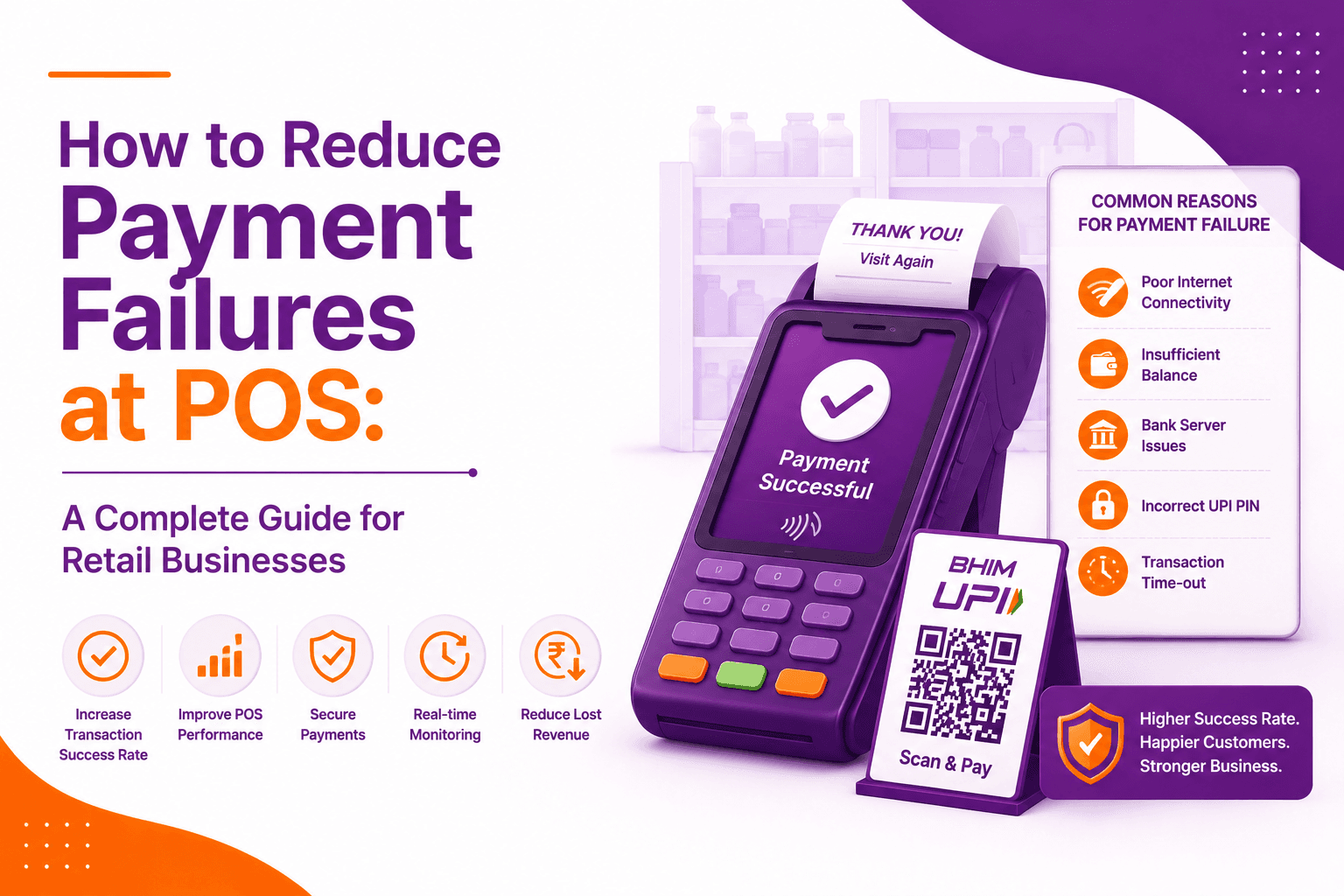
In today’s rapidly evolving retail landscape, businesses are increasingly searching for how to reduce payment failures at POS. As India continues experiencing explosive growth in digital payments, a failed transaction can mean more than just a lost sale—it can damage customer trust, increase checkout friction, and negatively impact brand reputation.
Whether customers are paying through cards, UPI, wallets, or contactless methods, merchants expect every transaction to be processed quickly and successfully. However, POS payment failures remain a significant challenge across retail environments.
To stay competitive, businesses must invest in reliable retail payment technology, robust merchant payment infrastructure, and advanced payment optimization tools. Companies like Innoviti are helping merchants improve transaction success rates while delivering seamless checkout experiences across physical and digital commerce channels.
Table of Contents
- What Are POS Payment Failures?
- Why Payment Failures Matter for Businesses
- Common Causes of POS Transaction Failure
- How to Reduce Payment Failures at POS
- Technologies That Improve Transaction Success Rates
- Real-World Retail Use Cases
- Common Challenges Businesses Face
- How Innoviti Helps Reduce Payment Failures
- The Future of Digital Payments in India
- Quick Answer: How to Reduce Payment Failures at POS
- FAQs
- Conclusion
What Are POS Payment Failures?
Before understanding how to reduce payment failures at POS, businesses must understand what constitutes a payment failure.
A POS transaction failure occurs when a customer attempts to make a payment but the transaction cannot be successfully completed.
Common payment methods affected include:
- Credit cards
- Debit cards
- UPI transactions
- Contactless payments
- Digital wallets
Types of Payment Failures
| Failure Type | Description |
| Network Failure | Connectivity disruption |
| Bank Decline | Issuer rejects transaction |
| Technical Error | System processing issue |
| Authentication Failure | Customer verification fails |
| Device Failure | POS hardware malfunction |
Every failed transaction affects customer satisfaction and business revenue.
Why Payment Failures Matter for Businesses
Many retailers underestimate the impact of digital payment failures.
Lost Revenue
Every unsuccessful transaction creates the possibility of:
- Abandoned purchases
- Lost sales
- Reduced conversion rates
Poor Customer Experience
Customers expect payments to work instantly.
Repeated POS payment failures can result in:
- Frustration
- Longer queues
- Reduced trust
Operational Inefficiencies
Employees spend valuable time resolving payment disputes and failed transaction issues.
Brand Reputation Risk
Consumers often associate payment failures with poor service quality.
This makes improving transaction success rates a strategic business priority.
Common Causes of POS Transaction Failure
Understanding the causes of payment processing issues is critical for solving them.
Network Connectivity Problems
One of the most common causes of POS transaction failure is unstable network connectivity.
Issues include:
- Weak internet connections
- Network congestion
- Telecom disruptions
Bank-Side Failures
Transactions can fail because of:
- Issuer bank downtime
- Authorization issues
- Core banking disruptions
Outdated POS Systems
Older POS systems often struggle to support modern payment methods efficiently.
Payment Gateway Routing Issues
Inadequate routing logic can increase failure rates.
Businesses relying on poorly optimized payment gateway infrastructure often experience higher transaction declines.
Device and Hardware Problems
Malfunctioning payment terminals can create:
- Card read errors
- Connectivity failures
- Authentication issues
How to Reduce Payment Failures at POS
This is the most important question for merchants seeking to improve checkout performance.
1. Use Intelligent Transaction Routing
Modern payment systems can automatically route transactions through the most reliable processing channels.
Benefits include:
- Higher approval rates
- Reduced downtime
- Better customer experience
2. Upgrade POS Infrastructure
Investing in advanced POS payment solutions significantly reduces transaction failures.
Modern systems support:
- UPI
- Contactless payments
- QR-based transactions
- Omnichannel payment acceptance
3. Monitor Transaction Success Rates
Businesses should continuously track:
- Approval rates
- Failure patterns
- Network performance
Organizations that prioritize transaction success rates can identify issues before they impact customers.
4. Maintain Device Health
Regular maintenance helps prevent hardware-related failures.
Best practices include:
- Software updates
- Hardware inspections
- Connectivity testing
5. Improve Payment Processing Efficiency
A strong payment processing framework minimizes bottlenecks and improves transaction reliability.
6. Offer Multiple Payment Options
Supporting:
- Cards
- UPI
- Wallets
- Contactless payments
reduces dependency on a single payment channel.
Technologies That Improve Transaction Success Rates
Modern financial technology solutions are transforming payment reliability.
AI-Powered Transaction Optimization
Artificial intelligence helps identify:
- High-risk transactions
- Routing inefficiencies
- Fraud patterns
Smart Payment Infrastructure
Advanced payment infrastructure improves:
- Processing speed
- Authorization rates
- Settlement efficiency
Multi-Bank Connectivity
Connecting to multiple acquiring banks improves resilience and reduces dependence on a single network.
Payment Analytics
Analytics platforms help merchants identify recurring payment processing issues and implement corrective actions.
Real-World Retail Use Cases
Retail Chains
Large retailers process thousands of payments daily.
Improving transaction success rates directly impacts:
- Revenue
- Customer satisfaction
- Operational efficiency
Mobile Retailers
Mobile stores often handle:
- High-value purchases
- EMI transactions
- UPI payments
Reliable payment systems help reduce transaction disruptions.
Supermarkets
Fast checkout experiences are critical.
Reducing POS payment failures improves customer throughput and queue management.
Specialty Retailers
Fashion, electronics, and lifestyle stores benefit from advanced merchants acquiring infrastructure that supports multiple payment methods.
Common Challenges Businesses Face
Legacy Infrastructure
Many retailers still operate outdated payment systems.
Fragmented Payment Ecosystems
Managing multiple providers can create operational complexity.
Fraud Risks
Increasing digital payments volumes also increase fraud exposure.
Limited Visibility
Without analytics, merchants struggle to identify the root causes of failures.
Scaling Challenges
Growing businesses require payment infrastructure that can handle increasing transaction volumes.
How Innoviti Helps Reduce Payment Failures
Innoviti has built a strong reputation for helping merchants improve payment performance.
Optimized Payment Processing
Innoviti’s payment ecosystem focuses on maximizing transaction success rates and minimizing transaction failures.
Advanced Retail Payment Technology
Businesses benefit from modern retail payment technology that supports:
- Cards
- UPI
- EMI
- Contactless payments
Better Merchant Acquiring Infrastructure
Innoviti’s strong merchant acquiring capabilities help improve payment reliability and operational efficiency.
Data-Driven Insights
Advanced reporting tools help merchants:
- Monitor transaction performance
- Identify failure trends
- Improve payment operations
Omnichannel Commerce Support
Innoviti helps businesses create seamless experiences across:
- Physical stores
- Mobile commerce
- Online channels
Industry Insights
The Future of Digital Payments in India
India’s payment ecosystem continues evolving rapidly.
UPI Growth
The expansion of UPI transactions is driving higher expectations for payment reliability.
RBI Regulations
The RBI continues strengthening standards around security, compliance, and payment resilience.
Embedded Finance
Financial services are increasingly becoming integrated into retail experiences.
AI-Driven Payments
Artificial intelligence is helping improve:
- Fraud prevention
- Payment routing
- Authorization rates
Merchant Automation
Businesses increasingly automate:
- Reconciliation
- Reporting
- Settlement tracking
Payment Orchestration
Payment orchestration platforms dynamically optimize transaction routing to improve success rates.
Omnichannel Commerce
Future payment ecosystems will unify:
- In-store payments
- Mobile payments
- Online payments
into a single customer experience.
How to Reduce Payment Failures at POS?
How to reduce payment failures at POS? Businesses can reduce payment failures by upgrading POS infrastructure, improving payment processing systems, using intelligent transaction routing, monitoring transaction success rates, maintaining device health, and supporting multiple payment methods such as cards, UPI, and wallets.
Key Steps
- Upgrade POS terminals
- Improve network connectivity
- Use intelligent routing
- Monitor transaction performance
- Maintain hardware regularly
- Offer multiple payment methods
Conclusion
Understanding how to reduce payment failures at POS is essential for businesses seeking to maximize revenue, improve customer satisfaction, and build long-term operational resilience. As digital payments, UPI transactions, and omnichannel commerce continue expanding across India, payment reliability has become a critical competitive differentiator.
By investing in modern POS systems, intelligent payment processing infrastructure, and advanced analytics, businesses can significantly improve transaction success rates while reducing checkout friction. Reliable payment acceptance not only enhances customer experiences but also supports business growth and operational efficiency.
Innoviti continues to play an important role in India’s payment ecosystem by helping merchants leverage innovative payment technologies, stronger merchant acquiring capabilities, and future-ready payment infrastructure to create seamless payment experiences across every customer touchpoint.
FAQ Section
1. What does “how to reduce payment failures at POS” mean?
It refers to strategies and technologies that help businesses minimize failed transactions at checkout and improve customer payment experiences.
2. What causes POS transaction failure?
Common causes include network issues, bank declines, outdated hardware, software errors, and payment gateway routing problems.
3. How can retailers improve transaction success rates?
Retailers can improve transaction success rates by upgrading infrastructure, monitoring payment performance, and using advanced POS payment solutions.
4. Do payment failures affect customer experience?
Yes. Frequent digital payment failures can frustrate customers, increase checkout delays, and reduce trust in a business.
5. Can AI reduce payment processing issues?
Yes. AI can optimize transaction routing, detect fraud, and identify performance bottlenecks before they affect customers.
6. Why are POS payment solutions important?
Modern POS payment solutions support multiple payment methods, improve reliability, and help merchants reduce transaction failures.