
Payment Gateway for Ecommerce: Everything Online Businesses Need to Know
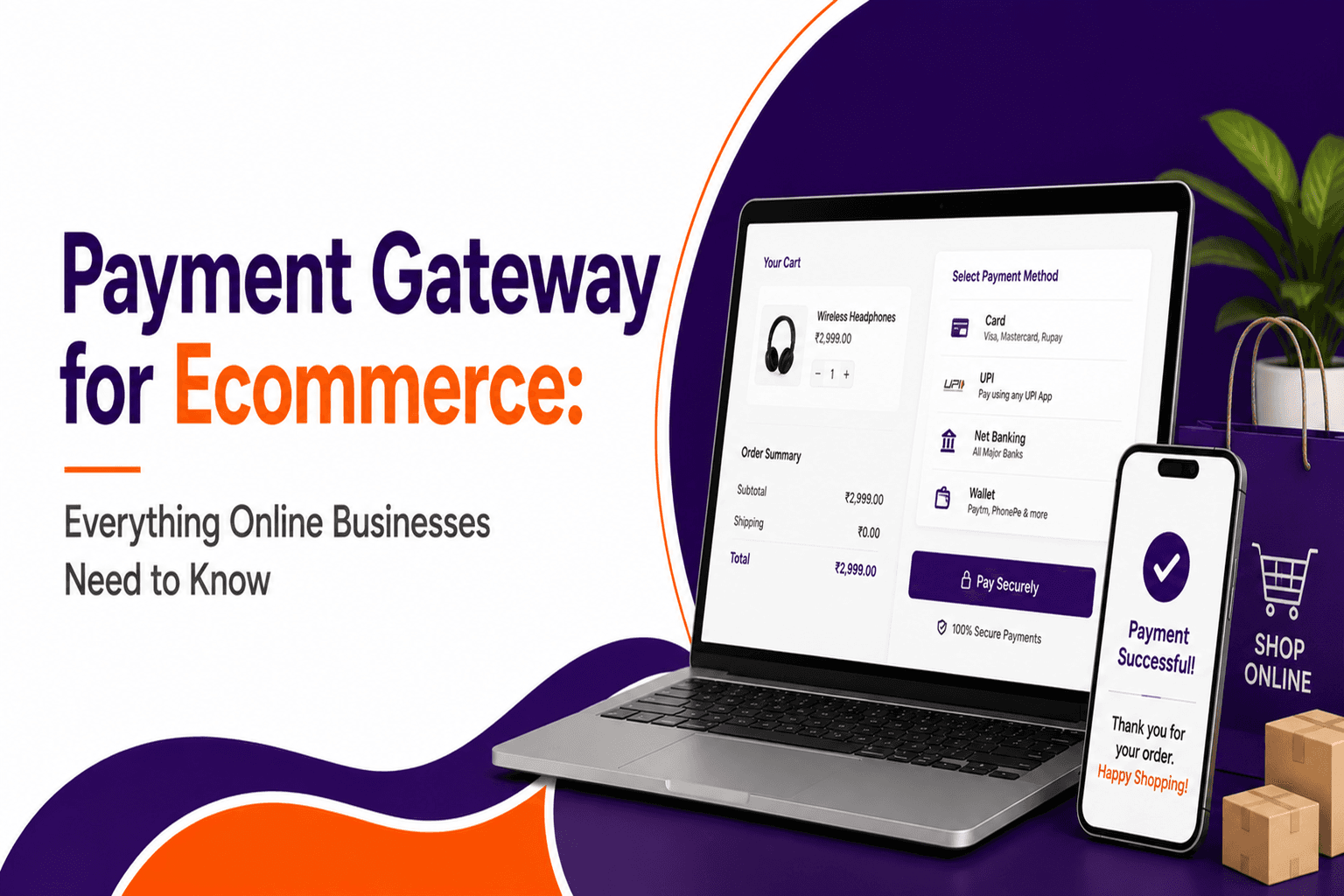
A payment gateway for ecommerce is one of the most important technologies powering modern online businesses. Whether you run an online store, retail chain, marketplace, or direct-to-consumer brand, customers expect secure, fast, and convenient payment experiences during checkout.
India’s digital commerce ecosystem has experienced significant growth due to increasing internet penetration, smartphone adoption, and the widespread success of UPI Payments. As more consumers shop online, businesses need robust payment systems that can process transactions efficiently while maintaining security and reliability.
Choosing the right payment gateway for ecommerce can directly impact customer satisfaction, conversion rates, and revenue growth. From supporting multiple payment methods to improving transaction success rates, modern payment gateways have become an essential component of digital commerce. Innoviti continues contributing to India’s evolving payment ecosystem through advanced payment technologies and merchant-focused payment solutions.
Table of Contents
- What Is a Payment Gateway for Ecommerce?
- Why Ecommerce Businesses Need a Payment Gateway
- How a Payment Gateway for Ecommerce Works
- Key Features of an Ecommerce Payment Gateway
- Benefits of Using a Payment Gateway for Ecommerce
- Types of Payment Gateways
- How to Choose the Right Payment Gateway
- Common Challenges and Best Practices
- Future Trends in Ecommerce Payments
- Industry Insights
- Featured Snippet Section
- FAQ Section
- Conclusion
What Is a Payment Gateway for Ecommerce?
A payment gateway for ecommerce is a technology platform that facilitates online payment transactions between customers, merchants, banks, and payment networks.
The gateway securely captures, encrypts, and transmits payment information while ensuring the transaction is authorized and processed correctly.
A typical payment gateway for ecommerce supports:
- Credit cards
- Debit cards
- UPI Payments
- Net banking
- Digital wallets
- Buy Now Pay Later solutions
Without a reliable payment gateway, online businesses cannot efficiently process customer payments.
Why Ecommerce Businesses Need a Payment Gateway
Modern ecommerce businesses depend on seamless digital transactions.
A payment gateway for ecommerce helps businesses:
Accept Multiple Payment Methods
Customers prefer different payment options depending on their preferences.
Improve Customer Experience
A smooth checkout process reduces cart abandonment.
Enhance Security
Secure payment processing protects sensitive customer data.
Support Business Growth
Scalable payment infrastructure supports increasing transaction volumes.
Increase Customer Trust
Reliable payment experiences improve brand credibility.
These advantages make a payment gateway for ecommerce essential for online businesses.
How a Payment Gateway for Ecommerce Works
Understanding how a payment gateway for ecommerce functions helps merchants optimize their payment strategy.
Step 1: Customer Places an Order
The customer adds products to the cart and proceeds to checkout.
Step 2: Payment Information Is Submitted
The customer selects a payment method and enters required information.
Step 3: Data Encryption
The payment gateway encrypts sensitive information.
Step 4: Authorization Request
The transaction is forwarded for authorization.
Step 5: Approval or Decline
The issuing bank approves or rejects the transaction.
Step 6: Payment Confirmation
The merchant and customer receive confirmation.
Step 7: Settlement
Funds are transferred through the payment ecosystem.
This workflow highlights the importance of a reliable payment gateway for ecommerce.
Key Features of an Ecommerce Payment Gateway
Multiple Payment Methods
Support for cards, wallets, net banking, and UPI.
Secure Transactions
Encryption and fraud prevention technologies improve transaction security.
Fast Processing
Quick transaction processing enhances user experience.
Mobile Optimization
Mobile-first checkout experiences improve conversions.
Analytics and Reporting
Businesses gain visibility into payment performance.
Easy Integration
Simple integration reduces deployment time.
These features define an effective payment gateway for ecommerce.
Benefits of Using a Payment Gateway for Ecommerce
Higher Conversion Rates
Streamlined payment experiences reduce checkout friction.
Improved Customer Satisfaction
Customers enjoy convenient payment options.
Better Revenue Opportunities
Reduced payment failures increase completed purchases.
Operational Efficiency
Automated payment processing simplifies business operations.
Scalability
Businesses can support higher transaction volumes.
The benefits of a payment gateway for ecommerce extend beyond payment processing alone.
Types of Payment Gateways
| Type | Description |
| Hosted Gateway | Redirects customers to a payment page |
| Integrated Gateway | Embedded directly into checkout |
| API-Based Gateway | Customizable payment integration |
| Multi-Payment Gateway | Supports multiple providers |
| Orchestrated Payments | Intelligent routing and optimization |
Businesses should evaluate their needs before selecting a payment gateway for ecommerce.
How to Choose the Right Payment Gateway
Evaluate Payment Methods
Ensure support for preferred customer payment options.
Consider Security
Choose providers with strong security frameworks.
Review Integration Capabilities
Integration flexibility improves long-term scalability.
Analyze Reporting Features
Comprehensive reporting supports business decision-making.
Check Customer Experience
Checkout simplicity directly impacts conversions.
Assess Scalability
Future growth should be supported without major infrastructure changes.
Selecting the right payment gateway for ecommerce requires balancing technology, customer experience, and operational goals.
Common Challenges and Best Practices
Cart Abandonment
Complicated payment flows increase drop-offs.
Best Practice: Simplify checkout processes.
Payment Failures
Failed transactions impact customer trust.
Best Practice: Implement intelligent routing and redundancy.
Security Risks
Online payments require strong fraud prevention measures.
Best Practice: Use advanced security controls.
Cross-Platform Consistency
Customers expect seamless experiences across devices.
Best Practice: Optimize mobile and desktop payment journeys.
Addressing these challenges improves the effectiveness of a payment gateway for ecommerce.
Future Trends in Ecommerce Payments
AI-Powered Payments
Artificial intelligence will optimize transaction success rates.
Embedded Finance
Financial services will become integrated into shopping experiences.
Real-Time Payments
Faster settlements will improve cash flow and customer satisfaction.
Payment Orchestration
Businesses will increasingly use orchestration platforms for optimization.
Omnichannel Commerce
Unified payment experiences will connect online and offline channels.
These trends will shape the future of the payment gateway for the ecommerce landscape.
The Future of Digital Payments in India
India continues leading global digital payment innovation.
UPI Growth
UPI Payments continue transforming consumer and merchant payment experiences.
RBI Regulations
The RBI continues strengthening payment security and innovation frameworks.
Embedded Finance
Financial services are increasingly integrated into commerce ecosystems.
AI-Driven Payments
Artificial intelligence is improving:
- Fraud detection
- Authorization rates
- Customer experiences
Merchant Automation
Businesses are automating:
- Reconciliation
- Reporting
- Settlement management
Payment Orchestration
Payment Orchestration helps businesses optimize payment performance.
Omnichannel Commerce
Consumers increasingly expect consistent payment experiences across every touchpoint.
What Is a Payment Gateway for Ecommerce?
A payment gateway for ecommerce is a technology platform that securely processes online payments between customers, merchants, banks, and payment networks. It enables businesses to accept digital payments, improve checkout experiences, and ensure secure transaction processing across multiple payment methods.
Conclusion
A payment gateway for ecommerce is a foundational component of modern online business operations. It enables secure payment acceptance, improves customer experiences, supports business scalability, and helps merchants manage increasing transaction volumes effectively.
As digital commerce continues expanding across India, businesses must prioritize payment infrastructure that delivers reliability, security, and flexibility. The right payment gateway can significantly influence customer satisfaction, conversion rates, and long-term growth.
Emerging innovations such as AI-driven payments, Payment Orchestration, embedded finance, and real-time payment processing will continue transforming ecommerce payment ecosystems. With ongoing advancements in Payment Infrastructure, Merchant Acquiring, Digital Payments, and Payment Processing, businesses that invest in modern payment technologies today will be better positioned for future success. Innoviti continues supporting merchants through advanced payment solutions designed for the evolving needs of India’s digital economy.
FAQ Section
1. What is a payment gateway for ecommerce?
A payment gateway for ecommerce is a secure technology platform that enables online businesses to accept and process customer payments through various digital payment methods.
2. Why is a payment gateway important for ecommerce businesses?
It facilitates secure transactions, improves customer trust, reduces payment friction, and supports business growth through efficient payment processing.
3. Which payment methods should an ecommerce payment gateway support?
A modern gateway should support cards, UPI Payments, wallets, net banking, and other popular digital payment methods.
4. How does a payment gateway improve conversion rates?
A streamlined checkout process reduces friction and increases the likelihood of completed purchases.
5. Is payment gateway integration difficult?
Most modern providers offer APIs and integration tools that simplify deployment for ecommerce businesses.
6. What is the difference between a payment gateway and payment orchestration?
A Payment Gateway processes transactions, while Payment Orchestration manages multiple gateways, acquirers, and payment providers through a centralized platform.